Why Personalized Workwear Builds Trust and Team Identity
More Than a Uniform: The Real Value of Personalized Workwear
Walk into any busy warehouse, medical office, or coffee shop and you will notice something. The staff who look like they belong together, who move with a shared sense of purpose, are almost always wearing clothes that reflect their team. That is not an accident. It is a deliberate choice made by business owners who understand that how employees dress affects how customers see them and how workers feel about their jobs.
Personalized workwear goes far beyond slapping a logo on a polo shirt. It is about creating a visual identity that communicates professionalism, consistency, and pride. When done right, it solves real problems: reducing confusion among customers, building trust before a word is spoken, and helping employees feel like part of something bigger than their individual roles.
First Impressions Start Before a Word Is Said
A customer walks into your shop. They do not know your name yet. They do not know your story. But they see your team wearing coordinated, clean apparel with your company name and maybe a tagline or design that hints at what you do. In those first few seconds, the customer makes a judgment. Are these people organized? Do they care about details? Can I trust them with my time or money?
Personalized workwear answers those questions before they are even asked. It signals that you have invested in your team and your reputation. A restaurant server in a custom-embroidered apron with the restaurant's name and a small icon of the signature dish tells diners they are in a place that cares about its brand. A mechanic in a uniform with a name patch and a clean, screen-printed logo reassures car owners that the person working on their vehicle is part of a legitimate, established operation.
That first impression is fragile. A mismatched, generic shirt with a faded logo can suggest the opposite: disorganization, lack of investment, or even a fly-by-night operation. In competitive markets, where customers have many choices, that split-second perception matters. Personalized workwear is one of the most direct ways to control that perception.
Building Internal Culture Through What People Wear
The effect of personalized workwear is not limited to customer-facing benefits. It changes how employees see themselves and each other. When a worker puts on a shirt that has their name, their department, or a design they helped choose, they are putting on more than fabric. They are putting on an identity.
In my experience talking with teams that have switched from generic uniforms to custom apparel, the shift in morale is noticeable. Employees report feeling more respected. They feel like the company sees them as individuals, not just interchangeable bodies filling a shift. That feeling translates into better interactions with customers and lower turnover.
Consider a small landscaping crew. Each member wears a T-shirt with the company name on the front and a custom design on the back: a tree silhouette with the crew's name underneath. That subtle detail tells the crew they are part of a specific team, not just a generic workforce. It builds camaraderie. It also makes it easier for customers to identify who is working on their property, which builds accountability.
Practical Considerations: Fabric, Fit, and Function
Personalized workwear only works if it is practical. A beautifully embroidered jacket that restricts movement or a screen-printed shirt that fades after two washes will actually hurt your brand. The garment itself must suit the work environment.
For jobs that involve physical labor, prioritize durability and breathability. Heavy cotton blends might look crisp, but they trap heat and sweat. Performance fabrics with moisture-wicking properties keep workers comfortable and focused. For office or customer-facing roles, fit and fabric quality matter more for appearance. A well-fitted polo in a wrinkle-resistant fabric maintains a polished look all day.
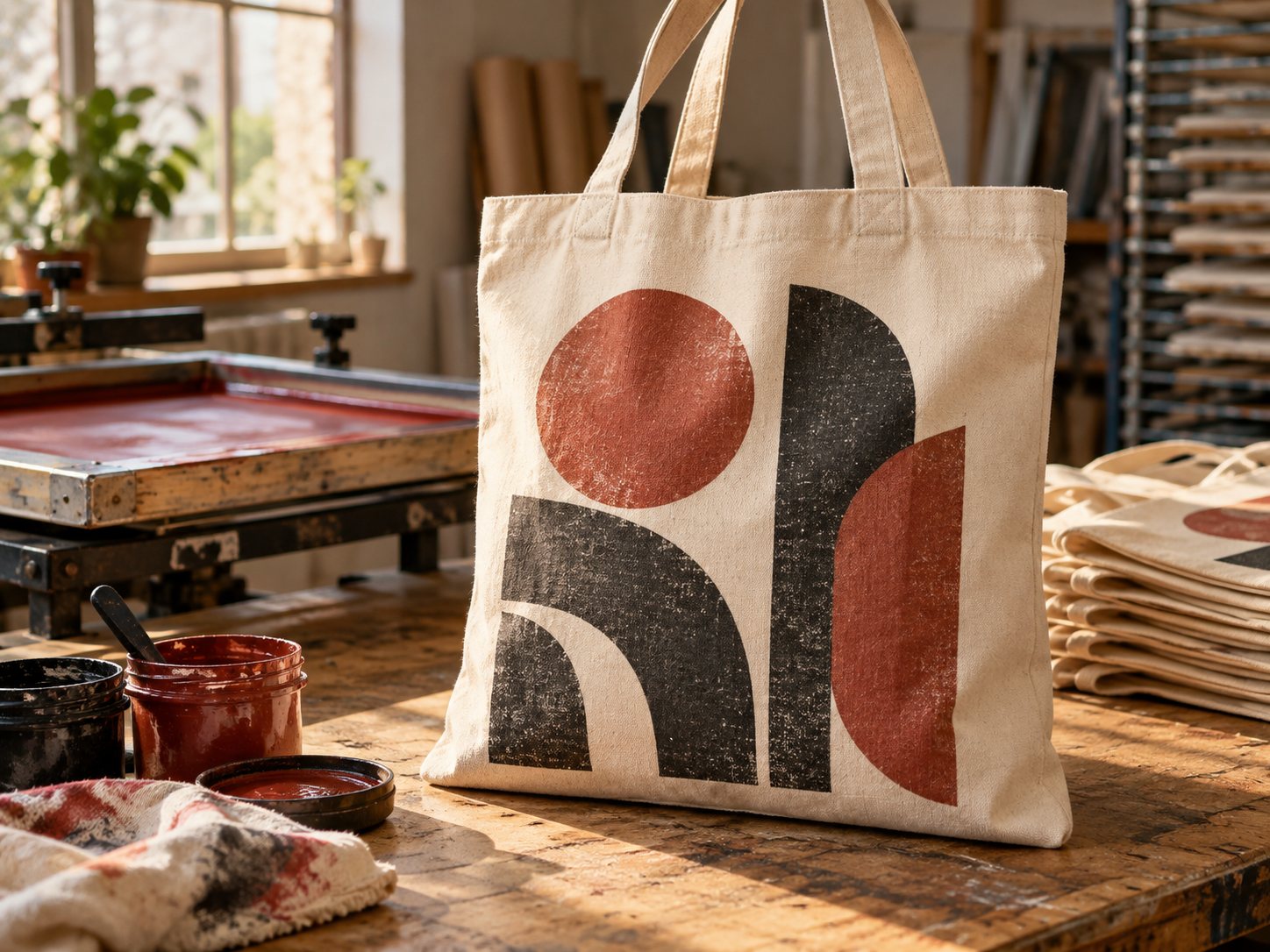
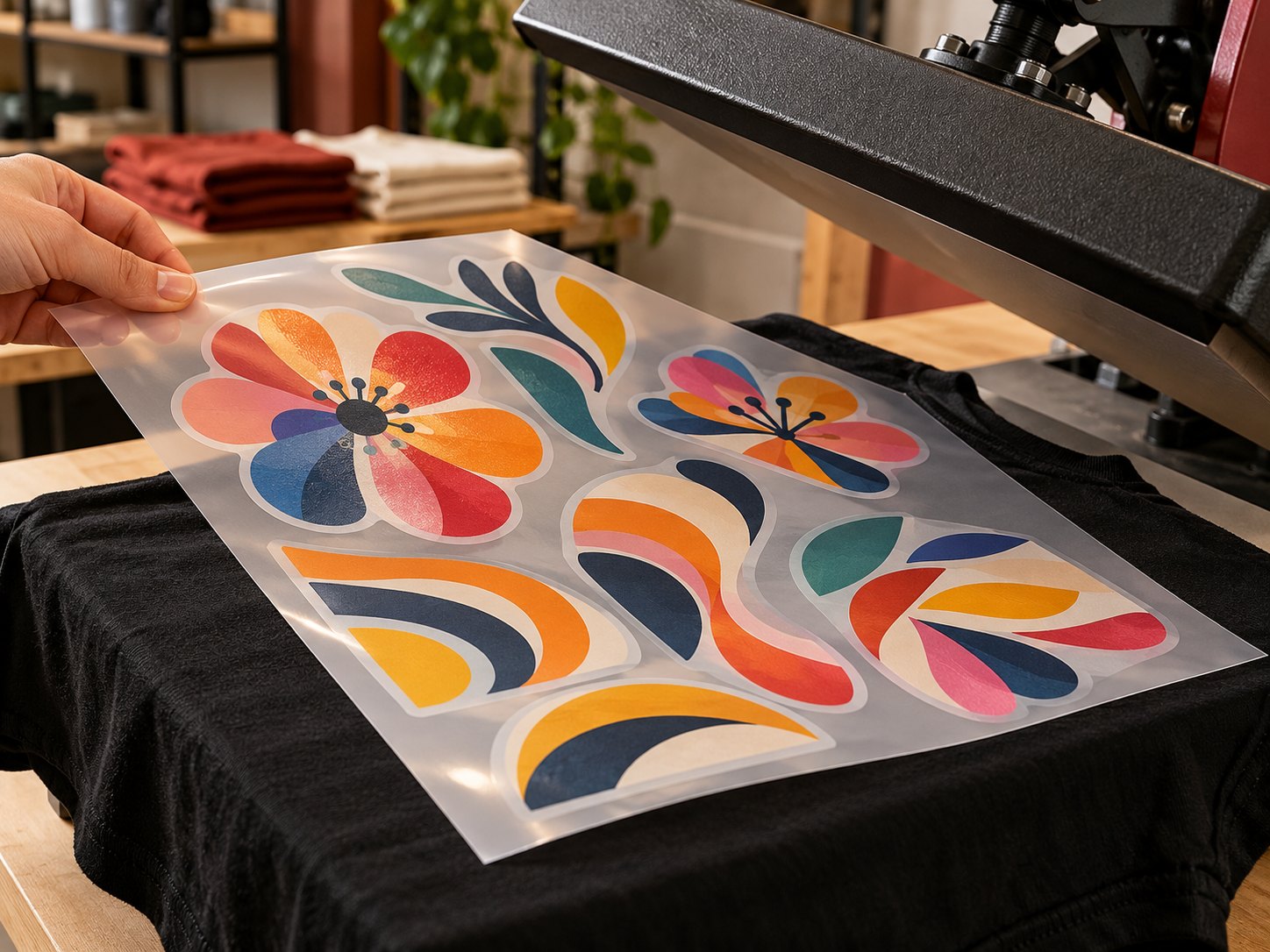
Decoration method also matters. Screen printing works well for bold logos on cotton or poly-cotton blends. It is cost-effective for larger runs and produces vivid colors. Embroidery, on the other hand, gives a premium, textured look that sits well on polos, jackets, and hats. It lasts longer than screen printing but works best with simpler designs and smaller text. A mix of both can be effective: screen printing for large back designs on T-shirts, embroidery for front chest logos on outerwear.
When choosing colors, think about the work environment. High-visibility safety colors like orange or yellow are necessary on construction sites. For restaurants, darker colors hide stains better. For outdoor crews, light colors reflect heat. Personalized workwear should always start with the worker's needs, not just the brand's aesthetic preferences.
Common Mistakes and How to Avoid Them
One of the most common errors businesses make is ordering too much of one style or size. Teams have diverse body types and job roles. A one-size-fits-all approach leads to ill-fitting uniforms that employees dislike wearing. Instead, offer a few styles: a T-shirt, a polo, and a jacket, each in multiple sizes. Let employees choose what works best for their role and body.
Another mistake is ignoring the design process. A cluttered logo with too many colors or tiny text that cannot be read from a distance defeats the purpose of personalized workwear. Keep designs clean. Use no more than three or four colors. Ensure the company name is legible from at least ten feet away. Test the design on a sample garment before committing to a full order.
Budget is also a factor. High-quality personalized workwear costs more upfront, but cheap garments that shrink, fade, or tear quickly end up costing more in replacements and lost brand value. Treat workwear as an investment in your brand and your people, not an expense to minimize.
When Personalized Workwear Makes the Most Difference
Certain industries benefit more visibly from personalized workwear. Service businesses with high customer contact, like restaurants, hotels, retail stores, and medical offices, see immediate returns in customer trust and recognition. Trade businesses, such as plumbing, electrical, and HVAC, benefit from the professional image and the ease of identifying their workers on job sites. Nonprofits and community organizations use personalized apparel to create unity at events and fundraisers.
But even small teams with limited budgets can start simple. A dozen well-designed T-shirts or polos with a consistent logo can transform how a small business is perceived. Over time, as the business grows, the workwear program can expand to include different garments for different seasons or roles.
Personalized Workwear as a Marketing Tool
Every employee wearing personalized workwear is a walking billboard. When they stop for gas, grab lunch, or pick up supplies, they are representing your brand to everyone who sees them. That free, ongoing exposure is one of the most cost-effective marketing strategies available. A well-designed piece of personalized workwear can generate dozens of impressions per day, every day, without any additional spend.
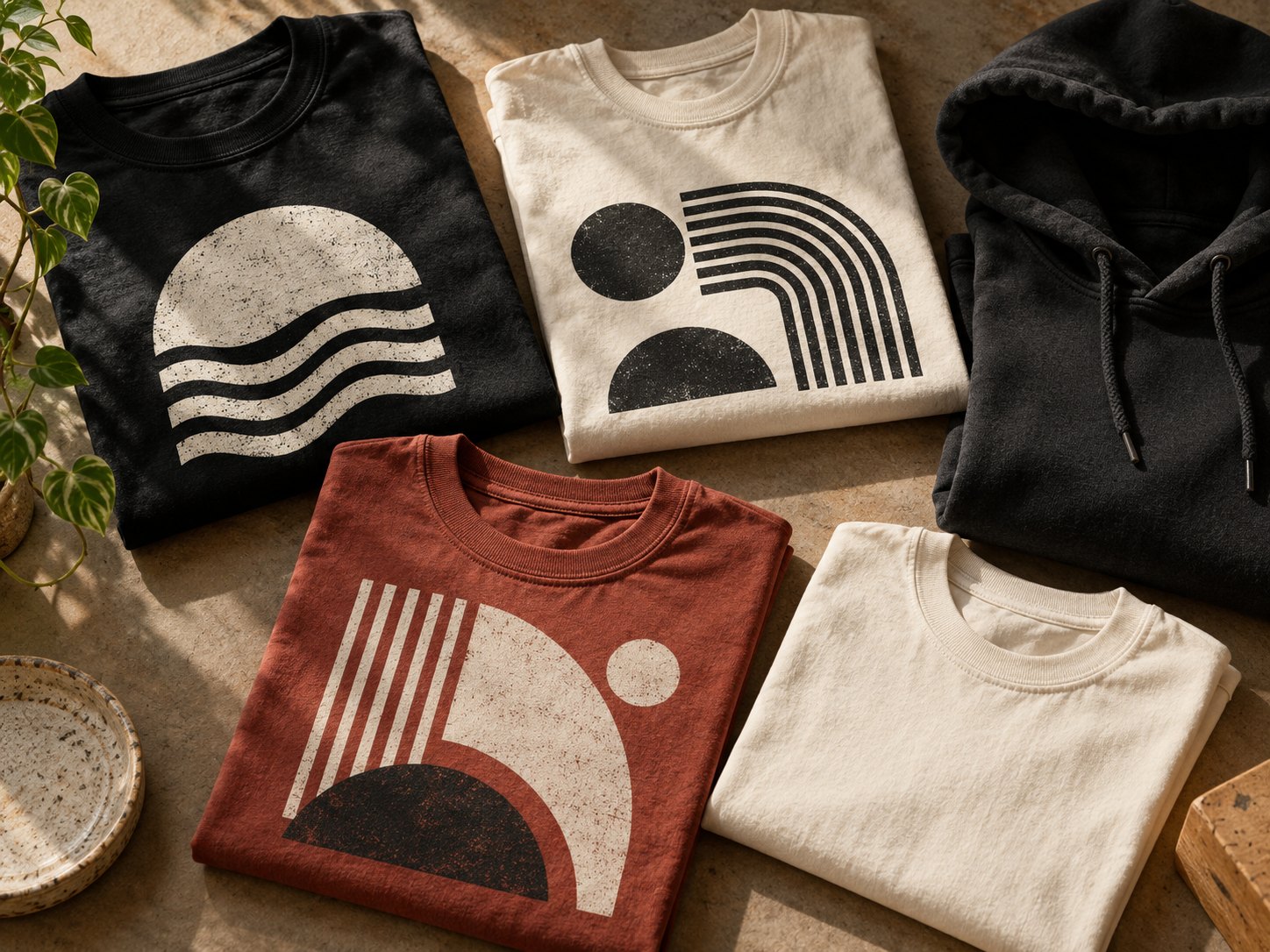
The key is consistency. If every employee wears the same logo placement and color scheme, the brand becomes instantly recognizable. Over time, that familiarity builds trust in the community. People start to associate your logo with quality, reliability, and professionalism.
Final Thoughts on Making It Work
Personalized workwear is not a magic bullet. It will not fix poor service or a bad product. But when combined with a strong team and a commitment to quality, it amplifies everything good about your business. It tells the world you are serious about what you do. It tells your employees you value them enough to invest in how they present themselves.
If you are ready to take that step, work with a partner who understands both decoration techniques and garment selection. A good provider will help you choose the right fabrics, placement, and design for your specific industry and team size. For businesses and organizations in the Garden Grove area, DSP Printing, located at 11611 Salinaz Dr Ste O, Garden Grove, CA 92843, USA, offers custom screen printing and embroidered apparel services. You can reach them at +1 714-951-4919 to discuss your needs.
Connect with us on Instagram.